Argentina’s Supreme Court ruled on Thursday that Buenos Aires federal judge Daniel Rafecas, not a Campana judge, must investigate suspected money laundering linked to the Argentine Football Association (AFA).
The ruling decides only which judge investigates, not whether anyone laundered money. The case began in December 2025 with a complaint against Luciano Nicolás Pantano and his mother, Ana Lucía Conte, who are listed as the owners of a company, Real Central, that holds an estate in Villa Rosa, in the city of Pilar. Investigators suspect they are fronts because neither appears to have the means to buy it. The ruling names only the two as denounced.
A court appraisal valued the estate, which has a helipad and a paddle-tennis court, at US$16.95 million, and investigators seized 54 luxury and collector cars from it. Investigators also found an AFA bag and a plaque bearing the name of Toviggino, the AFA treasurer, and the cars’ registration cards were in the names of his relatives.
In August, the federal criminal appeals court known as Casación ruled that the case belonged to the federal court in Campana, a city north of the capital whose jurisdiction includes Pilar, as the defense of Pantano and Conte had demanded.
The Supreme Court’s three justices, Horacio Rosatti, Carlos Rosenkrantz and Ricardo Lorenzetti, unanimously set that ruling aside. They called it a “flagrant and gross” violation of the rules on jurisdiction that harmed the right to be tried by the proper judge, and said the appeals judges “deliberately” ignored the prosecutor’s arguments.
The Court said the investigation covers far more than one purchase: a suspected laundering operation run through companies and financial transactions, including a possible international network of intermediaries that would have moved funds obtained by the AFA outside the Argentine banking system between 2021 and 2025. “Pilar was in no way the center of direction” of that activity, the justices wrote. The AFA’s headquarters and Real Central’s registered office are in Buenos Aires city.
The decision ends a jurisdiction dispute that stalled the investigation for about a year and defeats the defense’s bid to move the case out of the capital. It is the Court’s second AFA ruling in under a month: on Nov. 5 it rejected a request from the Campana judge, Adrián González Charvay, to take one case and left two investigations into AFA’s accounts with Buenos Aires city judges.
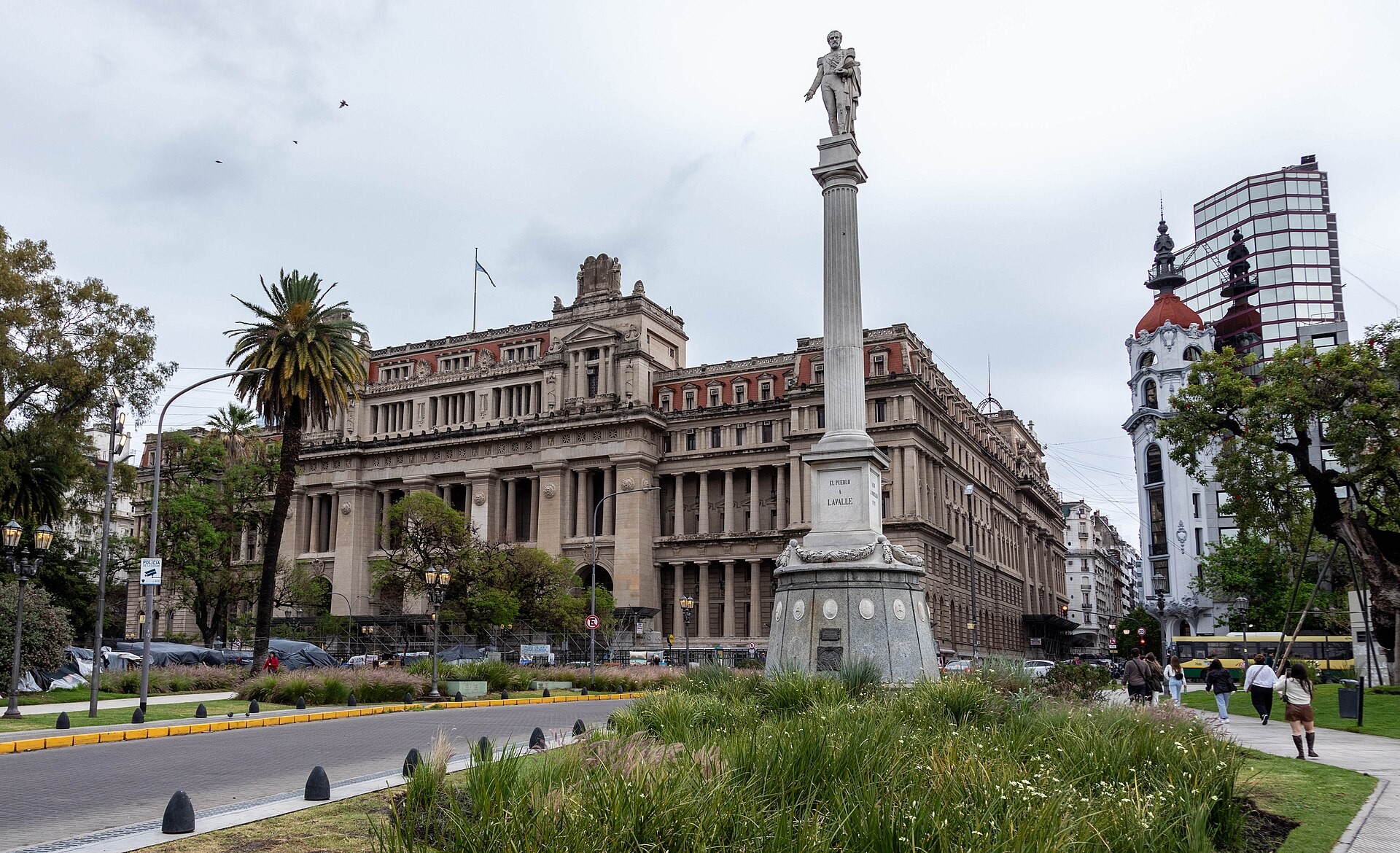
The case goes back to Rafecas, who raided the estate in December 2025. He may not keep it for long: Milei nominated him on Nov. 3 for a seat on the national criminal appeals court, and the Senate gave the nomination formal entry on Thursday. If the Senate approves it, another judge at Comodoro Py, the Buenos Aires courthouse for federal criminal cases, would take over the case.