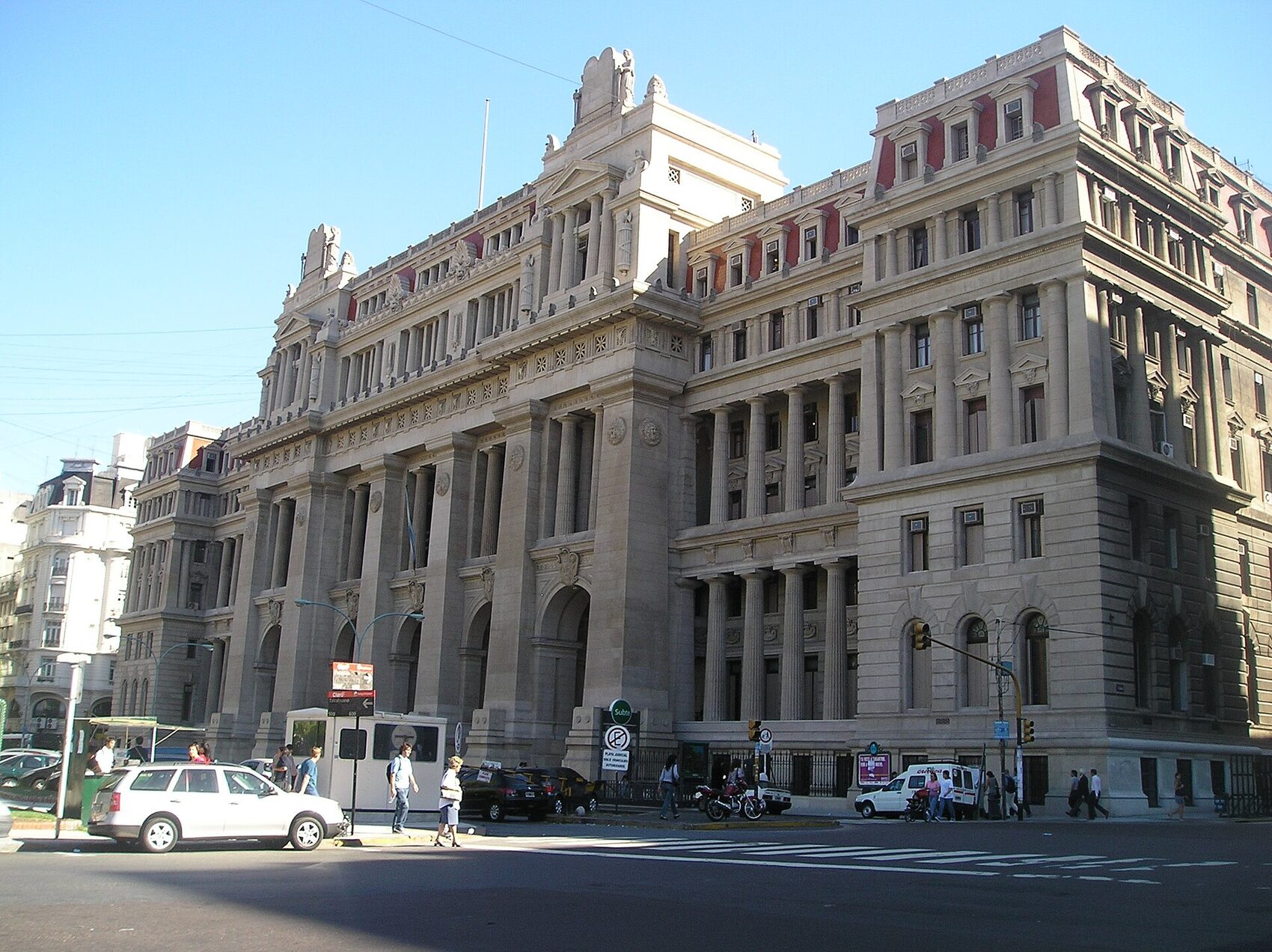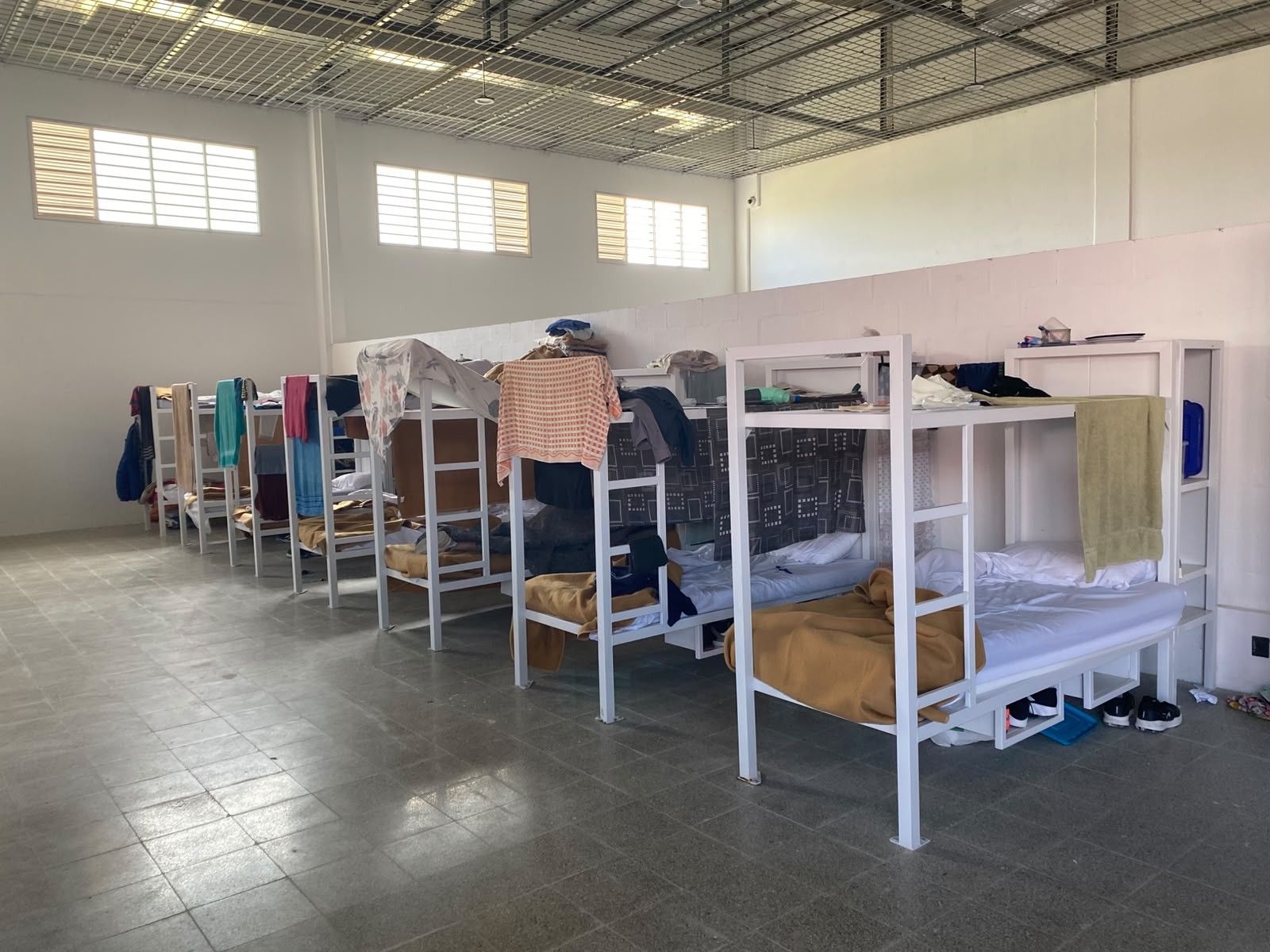
Argentina’s Supreme Court on November 12 approved a medical protocol that sets how doctors assess prisoners who ask for house arrest on health grounds, leaving each decision to the judge.
The protocol, written by the Court’s forensic medical corps, applies to convicted prisoners and those held before trial in federal prisons, whatever their crime. It lists the exams and reports a doctor must produce, and it requires prison authorities to state in writing what care the prison can really provide, to be checked against the prisoner’s medical file and reports from prison oversight bodies. The text says it sets no grounds for granting or refusing house arrest.
The debate centers on people convicted of crimes against humanity under the 1976 to 1983 military dictatorship. Neither the Court’s August order nor the resolution mentions those cases.
The prosecutors’ office unit that tracks those cases counted 509 people detained in its September update, 73 of them in prison and the rest under house arrest.
Each report ends in one of five findings that set the prisoner’s care needs against what the prison offers, running from care the prison can provide to care no prison can provide, with one category for missing information. The protocol covers the three health grounds in the sentence-enforcement law: an illness the prison cannot treat, a terminal illness and a disability. It says the law’s other grounds, such as being over 70, do not in principle need a medical opinion on treatment.
The Court ordered the protocol on August 21 in an order signed by all three sitting justices, giving the corps 30 days to produce it. That order said the reason for imprisonment cannot stand in the way of the care an inmate needs, “since what is at stake is an elementary principle of humanity.” Resolution 2867/2026 approves the finished text, which is dated September, and orders it published and sent to the criminal courts and to the Justice and Security ministries.
Only two of the three justices signed the resolution: Horacio Rosatti and Carlos Rosenkrantz. Ricardo Lorenzetti, who signed the August order, did not; his office said he returned the draft without his signature.
H.I.J.O.S., the rights group of children of the dictatorship’s victims, said in August that the order, under the appearance of a medical protocol, creates a tool that eases house arrest for those who carried out the dictatorship’s systematic extermination plan. Groups that campaign for the release of jailed dictatorship-era convicts welcomed the order, and the Foro Argentino de Defensa said it could have significant consequences for the imprisoned convicts.
The forensic corps proposes a first review of the protocol in six months and a yearly review after that.