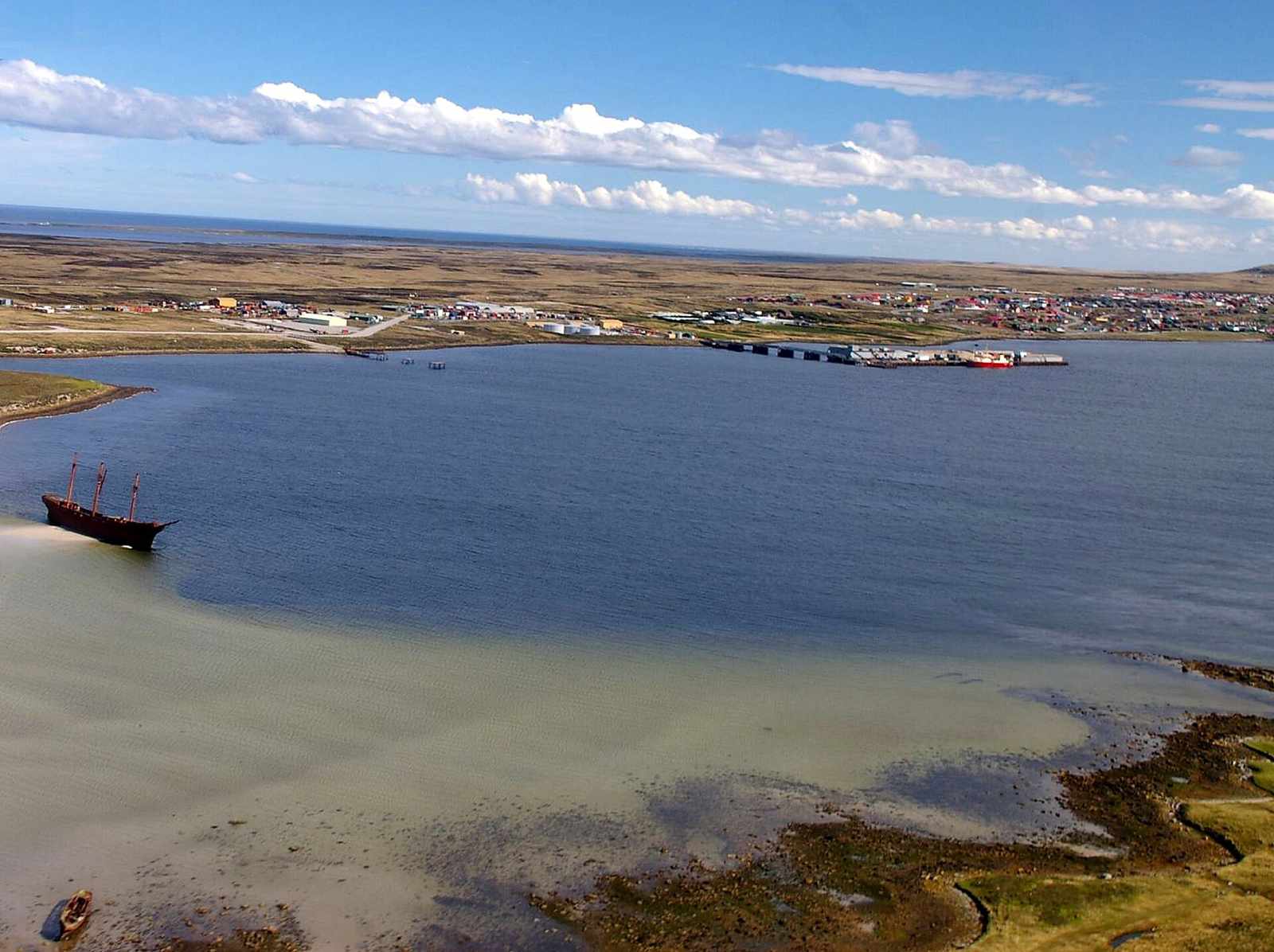
The government of the Malvinas (Falkland Islands) on Monday extended all offshore oil exploration licences in the islands' waters by five years, with an option for two more, a step Argentina's Foreign Ministry formally protested the following day.
The extensions keep the licences in their exploration phase and are conditional on satisfactory progress against work programmes, which will include additional appraisal wells, according to MercoPress and Infobae. Cheryl Roberts, the member of the islands' Legislative Assembly responsible for mineral resources, said they would "provide security to operators, enabling them to continue to invest and develop their acreage."
The islands' authorities also approved the acquisition by Navitas Petroleum Atlantic of a 65% stake in block PL001, which borders the Sea Lion development operated by Israel's Navitas Petroleum and Britain's Rockhopper Exploration. JHI Associates keeps the remaining 35% and estimates the block's prospects at 3.1 billion barrels.
On Tuesday the Foreign Ministry expressed Argentina's "firm rejection of the recent announcement made by the illegitimate authorities" of the islands, according to EFE, as carried by Infobae. It said unilateral exploration and exploitation of resources on the Argentine continental shelf "is openly contrary to international law" and that the government would use "every diplomatic, administrative, economic, judicial and legal tool" to defend its sovereign rights, while repeating its call for talks with London.
The extension lands in the middle of Argentina's campaign against the oil companies. A federal judge in Río Grande last week ordered a halt to the Sea Lion project, the government has placed 60 companies and individuals on its sanctions list, and Milei's sovereignty bill, which would criminalize unauthorized exploration, is before congressional committees. Britain has called the legal action "unacceptable."
Sea Lion is targeting first oil in 2028 at about 50,000 barrels a day. The extensions give licence holders until at least 2031 to keep exploring, a timeline that now runs alongside an Argentine court order telling the project's operators to stop.