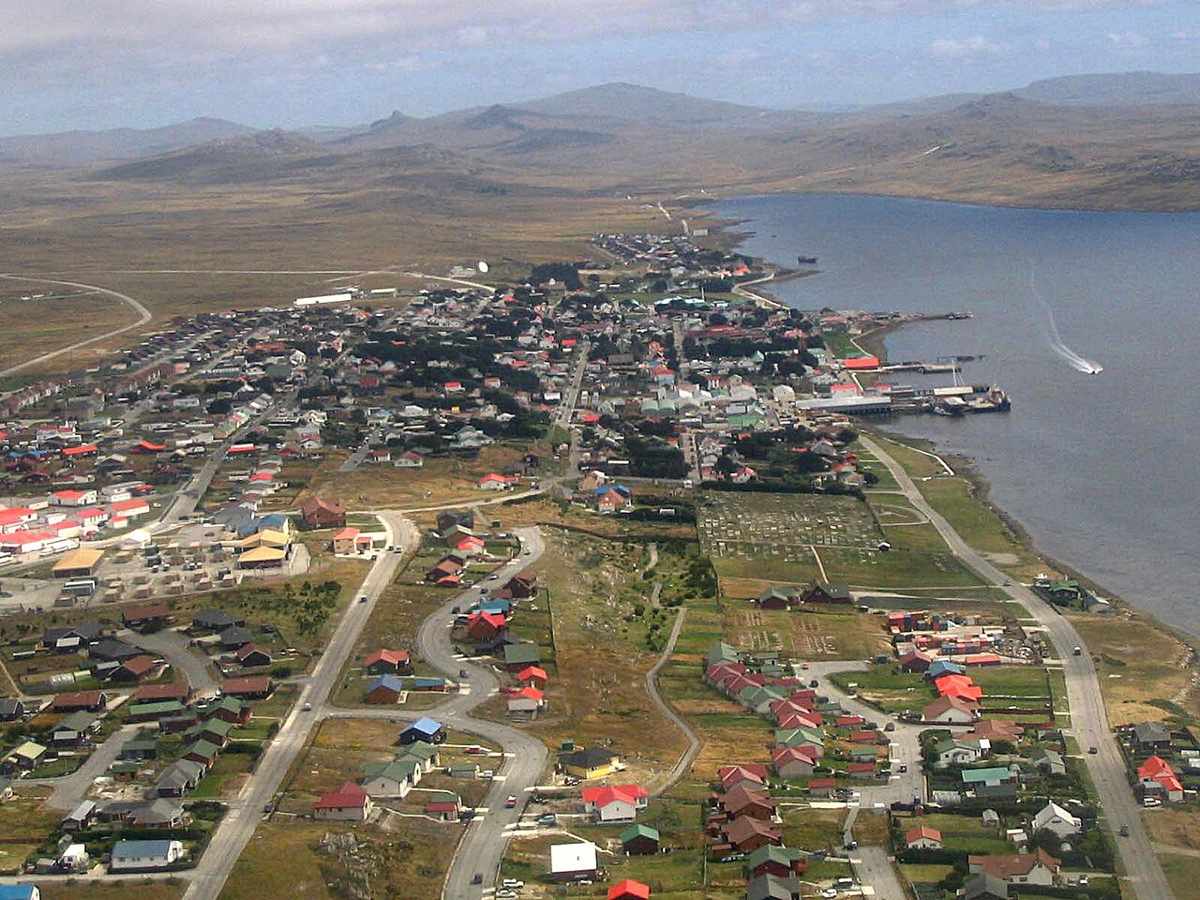
Argentina has spent September turning its long-standing claim to the Malvinas (Falkland Islands) into the centerpiece of its foreign policy, combining sanctions on oil companies, a new law in Congress and a campaign at the United Nations. Britain has answered each step. What follows is a guide to how the dispute got here and what comes next.
The Old Dispute
Argentina says Britain has illegally occupied the islands since 1833 and points to UN General Assembly resolutions, including Resolution 2065 of 1965 and Resolution 31/49 of 1976, which call on both countries to negotiate and to avoid unilateral changes while the dispute is unresolved. Britain says sovereignty is not up for discussion unless the roughly 3,500 islanders want it to be. In a 2013 referendum, 99.8% of voters chose to remain a British overseas territory. The two countries fought a 74-day war over the islands in 1982, in which 649 Argentine servicemen, 255 British personnel and three islanders were killed.
For most of the four decades since, the dispute has been a matter of annual speeches and diplomatic protests. What changed this year is oil.
Why It Flared Now
The Sea Lion field north of the islands, operated by Britain's Rockhopper Exploration and Israel's Navitas Petroleum, is moving toward development, with a first phase priced at about $1.8 billion and first oil targeted for 2028. Argentina considers any resource extraction around the islands illegal under a 2011 law.
The second ingredient was Washington. In early September, President Trump was reported to be reviewing how far the United States backs Britain's position, and Milei used a nationally televised address to put the Malvinas at the center of his agenda. Days later, Trump said in Dublin that he could probably "settle" a conflict over the islands.
Argentina's Pressure Campaign
The government's main lever is economic. It expanded its sanctions list to 60 companies and individuals and has filed criminal complaints naming executives personally, including against firms tied to Navitas. The pitch to industry is blunt: work near the islands or work in Vaca Muerta, Argentina's far larger shale field. SLB, Halliburton and Baker Hughes have stepped back from oil work near the Malvinas.
The enforcement so far has been heavier on paperwork than penalties. According to Britain's overseas territories minister, Argentina has sent roughly 180 warning notices to individuals and firms in 30 countries and opened 60 administrative files; none has yet produced a penalty.
A court has since added its own weight. A federal judge in Tierra del Fuego ordered a halt to physical work on Sea Lion pending an environmental review, in a case brought by a Malvinas veterans' group. Britain, for its part, maintains that Argentine law does not apply to the islands.
The effort extends inside the state. A decree requires every national agency to align its foreign dealings with the claim, the government committed more than 300 billion pesos (about US$200 million) to the Ushuaia naval base, and Milei sent Congress a National Sovereignty Defense bill that would allow prison terms of up to 20 years for unauthorized resource exploration in waters Argentina claims.
The Diplomatic Round
Britain has not moved. Prime Minister Andy Burnham told Parliament Britain would be "relentless" in defending the islanders, and Milei called off an October trip to London.
The dispute then moved to the UN General Assembly in New York. Burnham raised the islands in his first meeting with Trump, while Milei, who had sought his own sit-down with the U.S. president, met Secretary of State Marco Rubio instead. Foreign Minister Pablo Quirno used Argentina's right of reply to call British control an illegal occupation, and Milei, in his General Assembly address, called the UN "useless" for looking the other way. Quirno has also said Argentina is not counting on U.S. mediation.
What to Watch
Three things will shape the next phase: whether Congress passes the sovereignty bill, which now sits in three Chamber of Deputies committees alongside the 2027 budget; whether any sanction or criminal complaint actually produces a penalty or a conviction; and whether the Sea Lion partners press ahead despite the Argentine injunction. The islands' sovereignty is no closer to negotiation than it was in August. The cost of doing business around them has gone up.