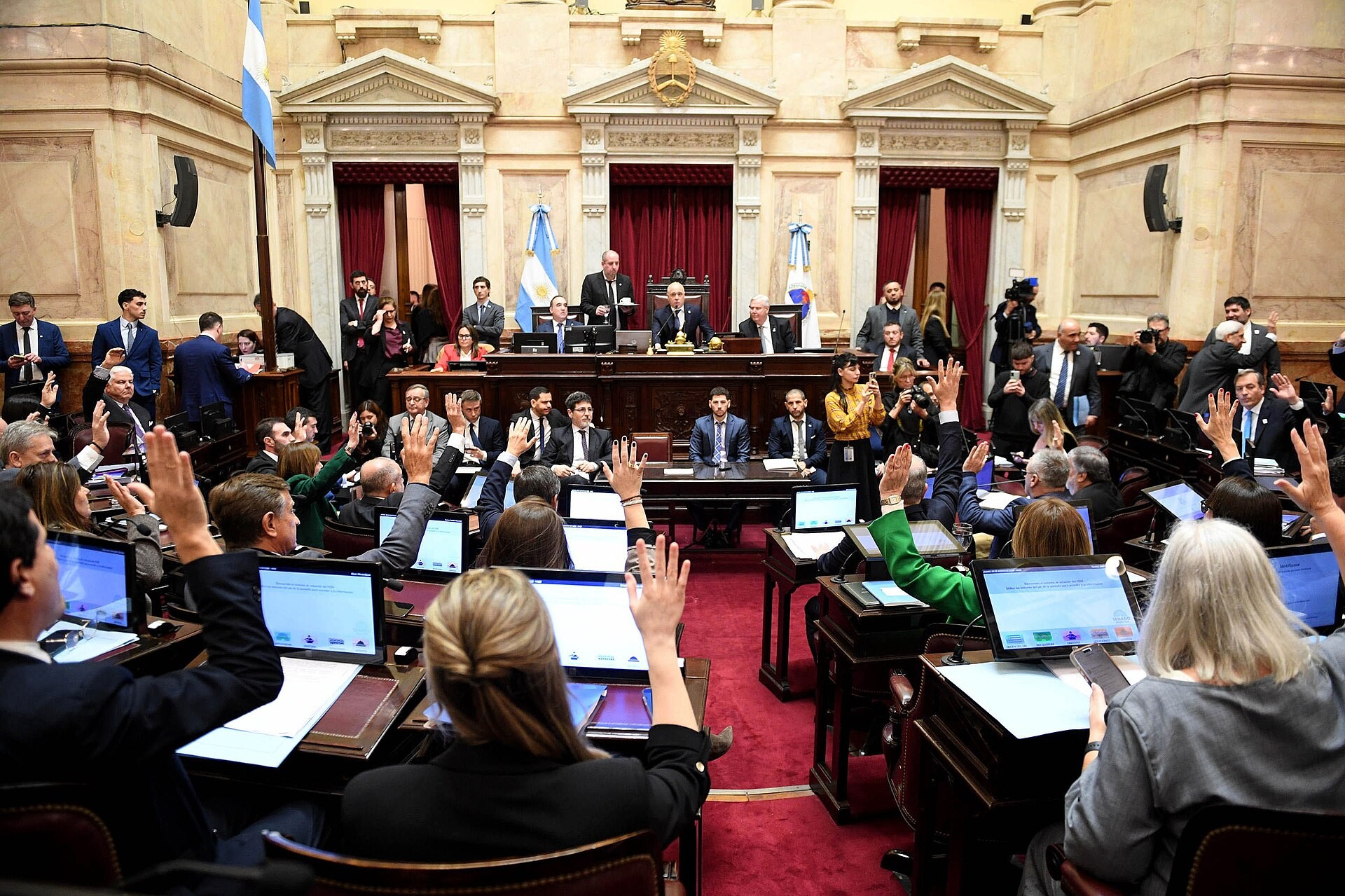
Argentina’s Senate gave final approval on Thursday to joining the Patent Cooperation Treaty, 47 votes to 22, completing a commitment Argentina made in its February trade agreement with the United States. Only Peronist senators voted against.
The treaty lets an inventor file one international application that starts the search for patent protection in about 160 countries, and it extends the time to choose where to seek protection from 12 to 30 months. It does not create a world patent: each country still decides, and in Argentina the national patent office, known as INPI, makes the call. Medicines still need approval from ANMAT, the national drug regulator, before they can be sold.
Argentina joins without Chapter II, the section on an international preliminary examination of whether an invention is patentable. The lower house excluded it in August at the request of local drug makers, and their chamber, Cilfa, signed off on the exclusion. The change sent the treaty back to the Senate for a final vote; the Senate had first approved it in 1998.
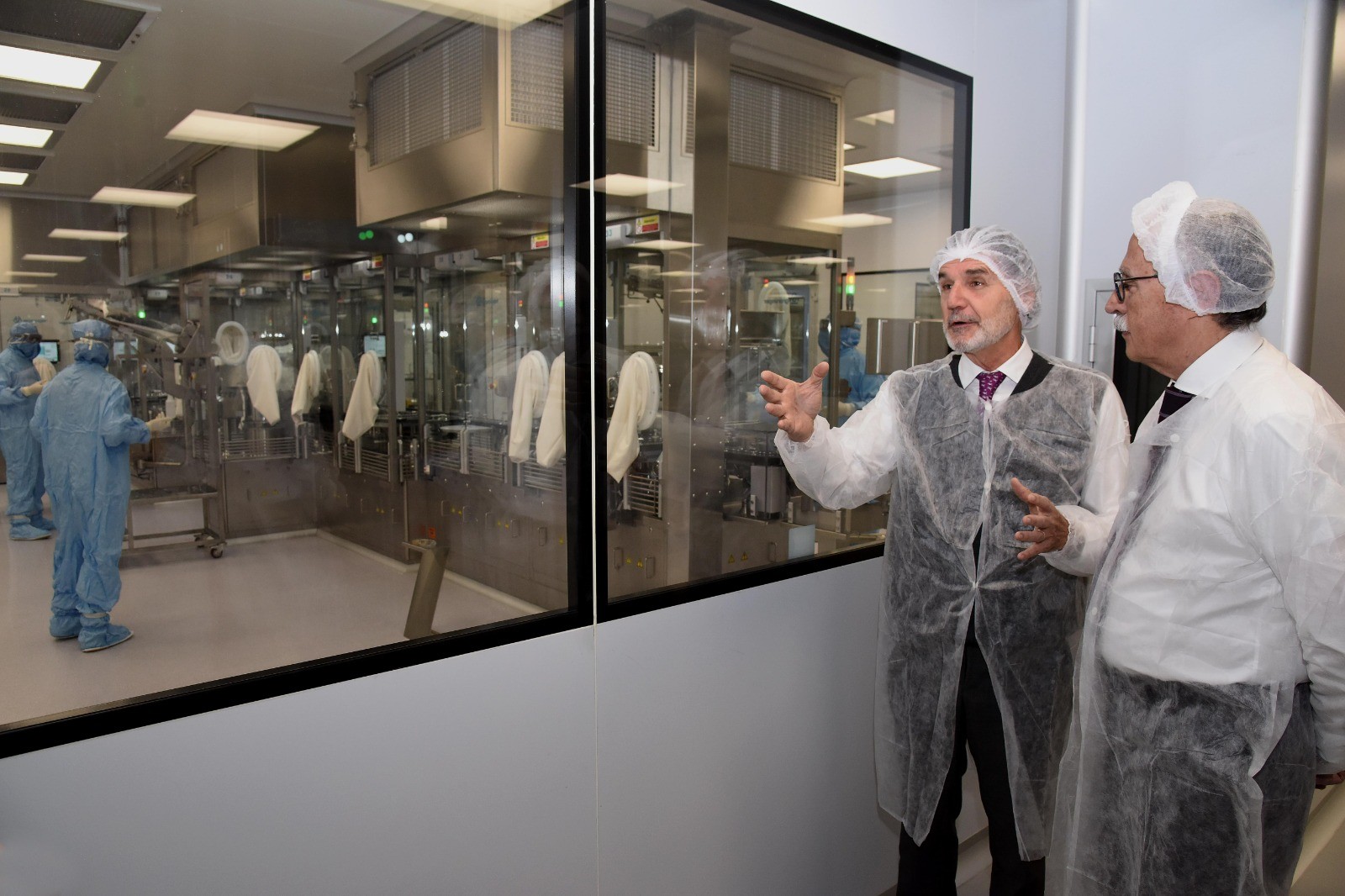
No immediate change in medicine prices is expected. Cilfa has warned that the treaty could make it easier to extend patents on existing drugs through minor changes, which could delay cheaper generics. CAEMe, the chamber of foreign-owned drug makers, welcomed the vote and said final decisions on patents stay with national offices.
Jorge Capitanich, a Peronist senator from Chaco, said the treaty “arrives clearly imposed by the United States.” Senator Francisco Paoltroni of Formosa, who backs the government, called it “a tool that simplifies international procedures.” AmCham, the American Chamber of Commerce in Argentina, said it expects the treaty to help investment in pharmaceuticals, farming and technology.
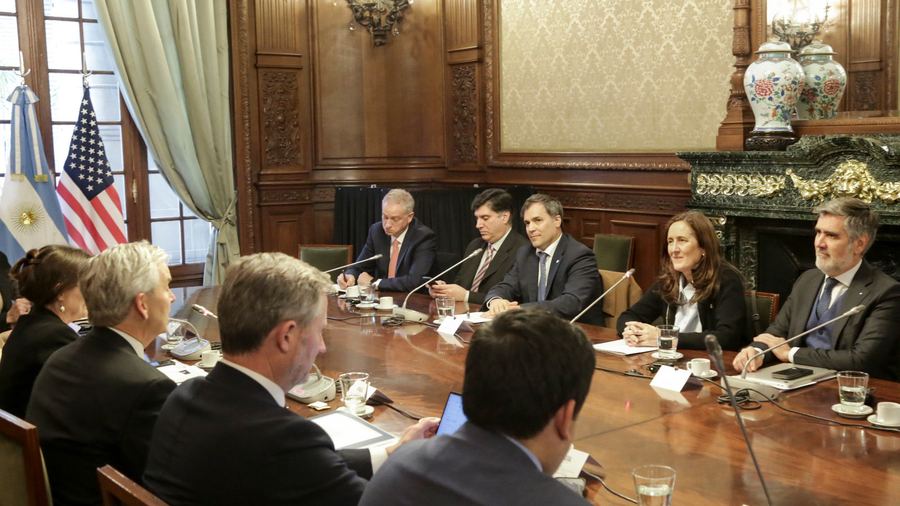
The Presidency said on Nov. 17 that the US trade agreement itself will go to Congress in the coming days, and the government has confirmed extraordinary sessions for December, which are sessions the president calls outside the regular period.