Argentina's agricultural exports are projected to reach a record US$41.5 billion in the 2026/27 season, up 6.9% from the current cycle, according to the first estimates for the coming harvest published by the Buenos Aires Grain Exchange (Bolsa de Cereales).
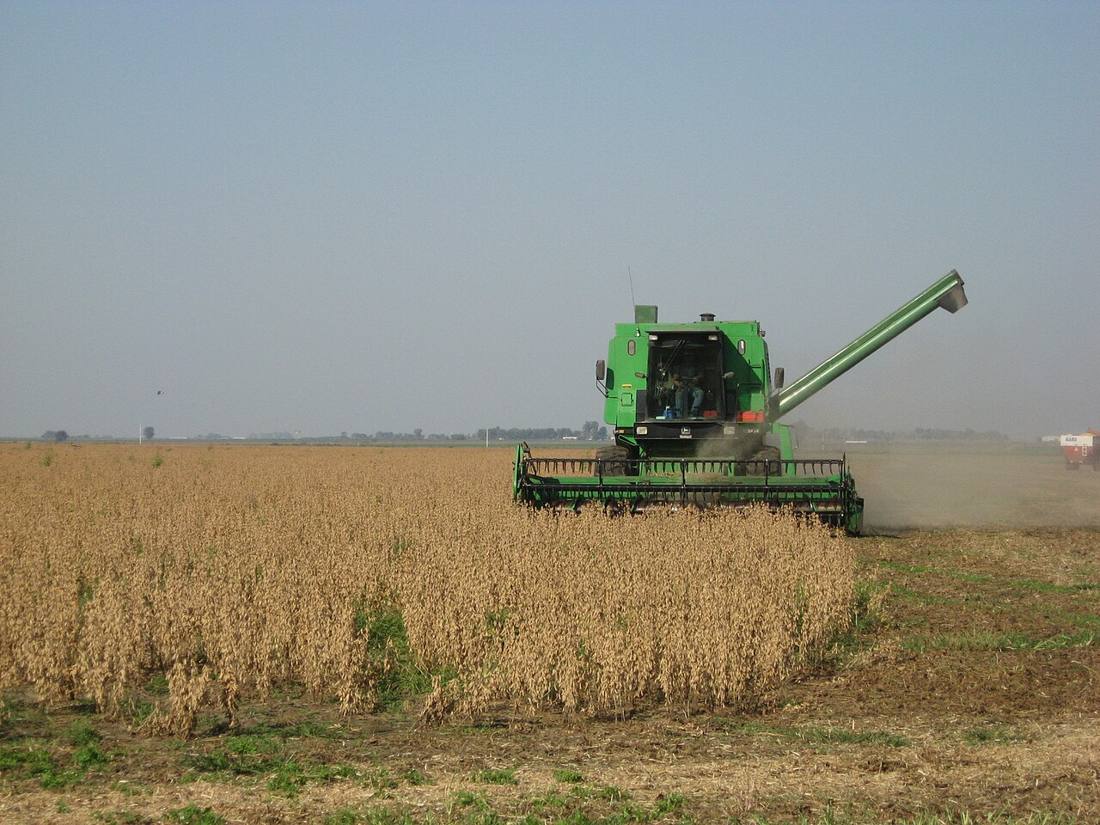
The exchange forecasts total grain and oilseed production of 157.9 million tonnes, 0.5% more than this season, on 37 million hectares. Soybean output is expected to rise 7% to 53.6 million tonnes and corn 3.1% to 66 million tonnes, offsetting a 15.8% drop in wheat to 23.4 million tonnes and a 7.4% fall in barley to 5 million tonnes. Sunflower is seen flat at 7 million tonnes.
The exchange expects the value of agro-industrial output to rise 5.9% to US$54.3 billion. About two-thirds of that increase is attributed to better prices and one-third to higher volumes, according to La Nación and El Cronista.
Tax revenue from the sector is projected to grow 3.9% to about US$15 billion despite recent cuts to export duties, as a larger share of collections shifts to income tax, a structure the exchange described as less distorting.
Ramiro Costa, the exchange's general manager, stressed that the numbers are an early read. "They represent the potential we see today and will depend on how the weather and production decisions evolve over the coming months," he said. A strong El Niño, which usually brings above-normal rainfall to the Pampas, is expected this season. The exchange's president, Ricardo Marra, said further growth would require investment in infrastructure and wider market access.
If the forecast holds, farm exports would again be the economy's main source of hard currency in a year when manufacturing has kept shrinking and the government is under pressure to build reserves. The first test is the corn and soybean planting season that begins this spring.