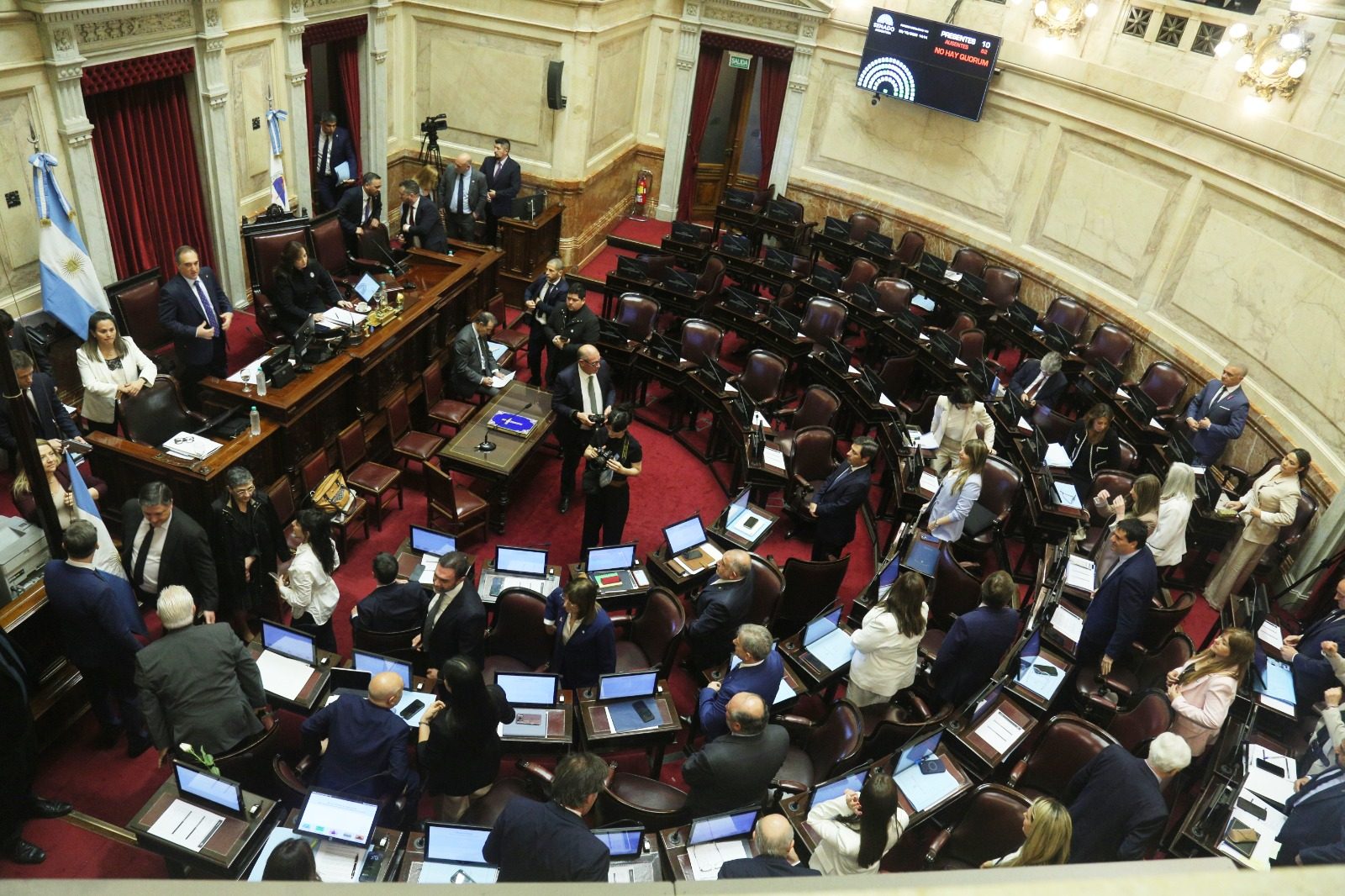
Argentina’s Senate is due to vote on Thursday on a bill banning advertising and sponsorship by online betting companies, including their logos on football jerseys, after governing-party and Peronist senators agreed Wednesday to vote on the lower house’s text unchanged.
If passed as it came from the lower house, the bill would bar betting ads on social media, television, radio and billboards, and through influencers and athletes. It would ban welcome bonuses, stadium naming rights and team and player sponsorships. Ads would stay allowed only inside gaming rooms and licensed betting and lottery outlets, with warnings about gambling risks.
It would also bar anyone under 18 from betting sites and require facial-recognition checks against the national ID registry when a user signs up, starts a session and collects winnings. Credit cards and accounts used for state benefits could not fund bets, and debit cards and e-wallets would carry a daily cap equal to the ATM withdrawal limit. Running betting without a license would carry three to eight years in prison.
The Catholic bishops’ executive committee sent senators an open letter on Nov. 23 asking them not to “let this bill die,” citing family debts, addiction and, in the worst cases, suicide risk among young people. Church representatives met senators on Tuesday, and on Wednesday the bishops’ secretary general, Raúl Pizarro, delivered a box of about 20,000 signatures from an online petition to the Senate committees. Sedronar, the government’s drug-policy agency, has found that more than one in four secondary-school students bet money in the past year.
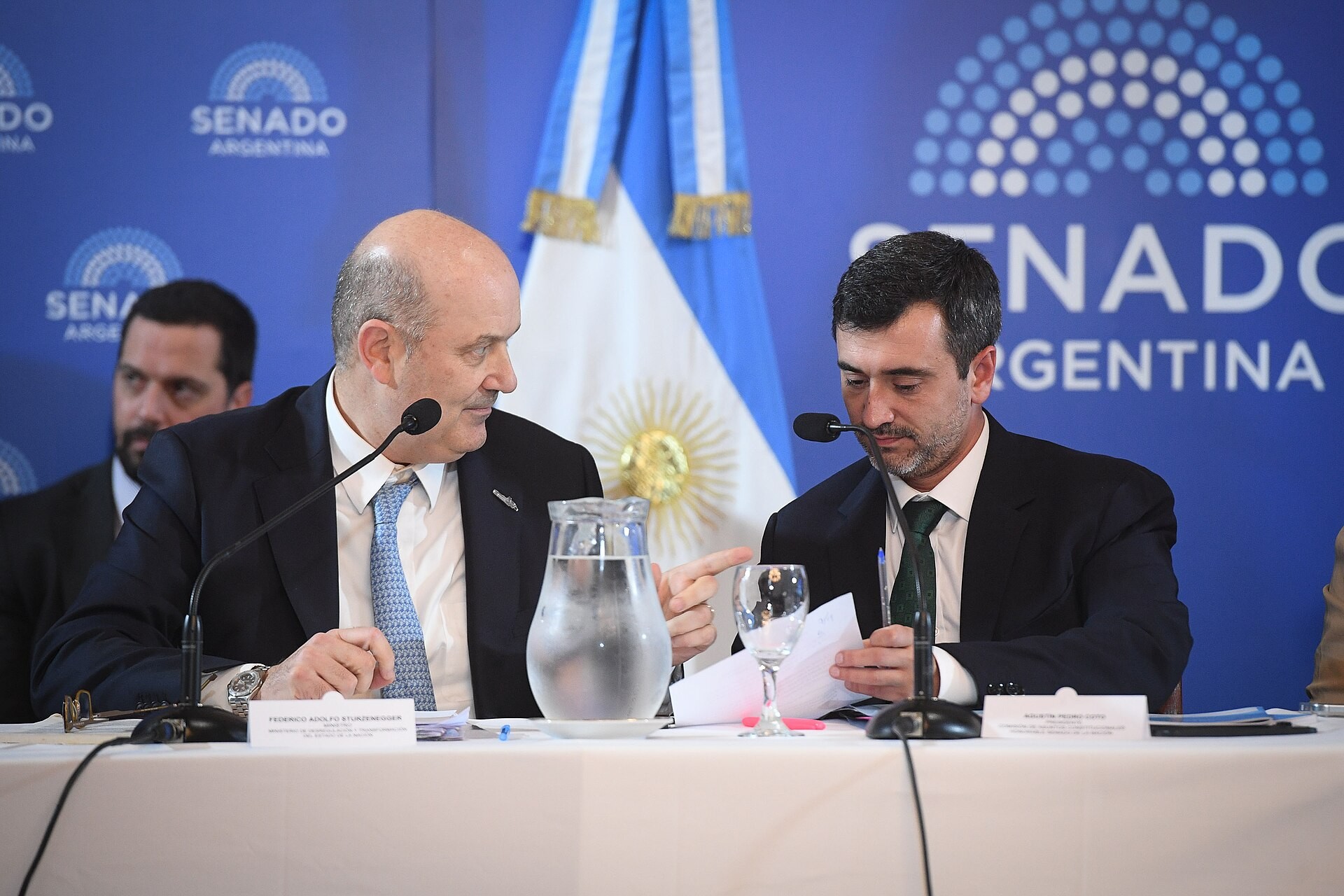
Football would be hit most directly. About 10 top-flight clubs and the national football association, AFA, have betting-company sponsors. At a Senate committee hearing in October 2025, Javier Méndez Cartier, a member of AFA’s executive committee, said a total ban would be “a financial blow” for clubs and that the association was defending the sustainability of football, not commercial interests. The government has also argued that a ban this broad could push users toward illegal sites.
The governing party’s Senate leader, Patricia Bullrich, had sought changes. Her plan, now to be a separate bill, would restrict betting ads, let ENACOM, the national communications regulator, block sites within 24 hours of a third-party complaint, and strengthen protections for minors. She opposes an article barring people tied to the gambling business from running clubs and sports bodies, calling it “mixing apples and oranges.” Peronist Senate leader José Mayans agreed to vote the lower-house text first and to supply the two-thirds majority needed to fast-track Bullrich’s bill the same day. Some governing-party senators have said they will not back the original, and it got no committee report before Thursday’s vote.
If the Senate passes the lower-house text unchanged, it goes to the president, who can sign or veto it. Bullrich’s complementary bill, if approved, would still have to go to the lower house.