

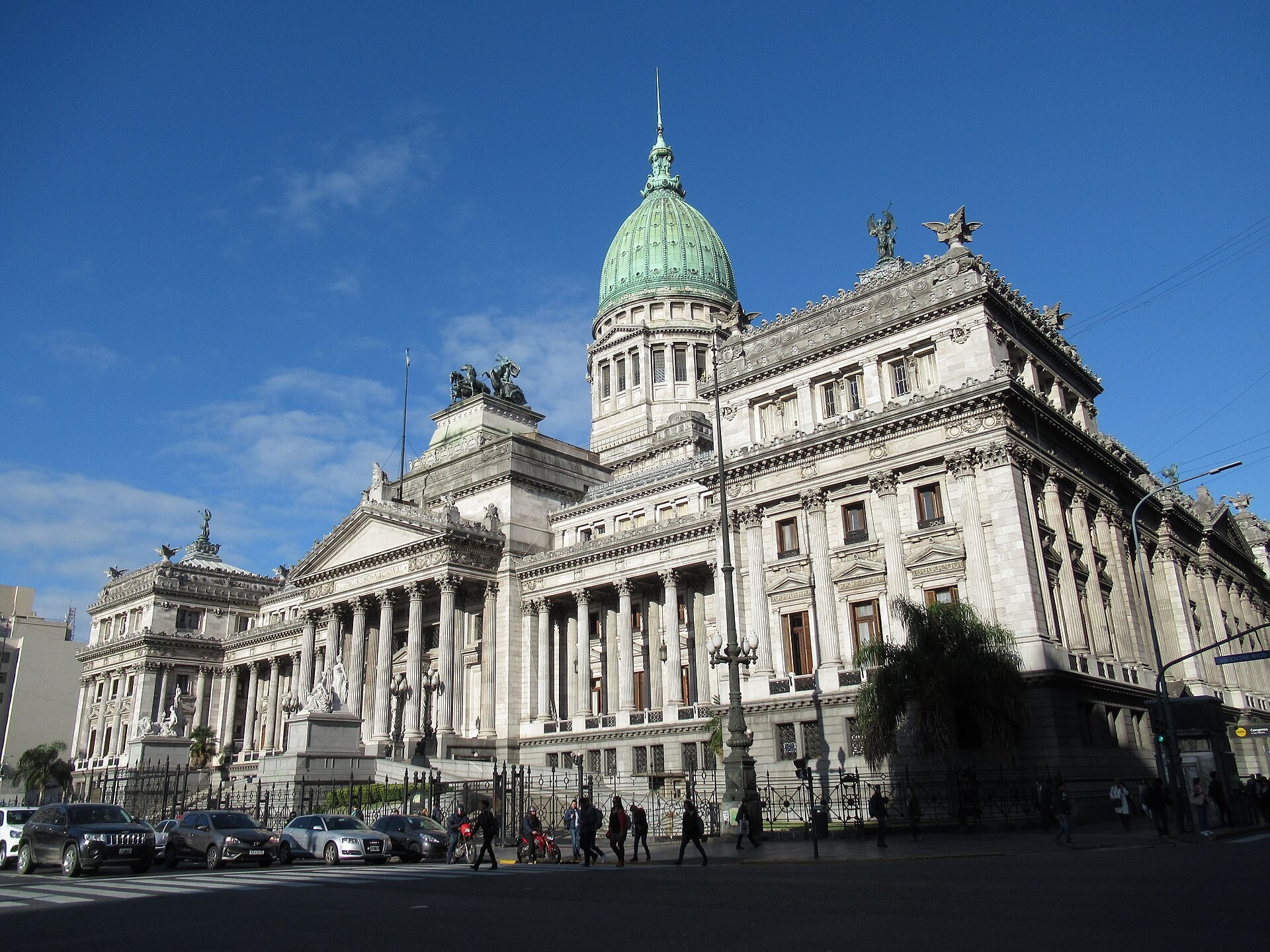
Clarín reported on Saturday that Senate committees signed a report backing Súper RIGI, the government’s tax-break bill for billion-dollar investments, after the government accepted allied senators’ demands on local suppliers.
Súper RIGI would create incentives for investments of at least US$1 billion in industries the government calls “of the future,” such as batteries, critical minerals, green hydrogen and artificial intelligence. It builds on RIGI, the 2024 regime of tax, customs and currency incentives for large investments, which starts at US$200 million.
Under the text the lower house passed in June, approved projects would pay a 15% income tax on profits, against 25% under RIGI, and keep their tax and currency rules fixed for 30 years. Opposition deputies criticized the regime then. Deputy Martín Lousteau called it “an unprecedented regime, the most generous of all, with a surrender of sovereignty and a monumental fiscal loss,” but “we do not know who will come.”
The bill had been stalled since September, when senators Maximiliano Abad and Flavio Fama of the UCR (the Radical Civic Union), Martín Goerling of the PRO party and Carlos Espínola, a Peronist from Corrientes province, objected to the lower house’s text. They wanted to protect Argentine suppliers from imports they say are expanding under RIGI. The Senate committee report is the step before a vote of the full chamber.
To win them over, the government accepted changes. A local supplier’s offer counts as competitive if it costs no more than 15% above a comparable foreign offer. The 20% minimum for contracts with Argentine suppliers stays, with works and services left out of the count; RIGI has the same minimum, and a decree this month widened its definition of a local supplier. Supplier firms can also import capital goods, machinery and equipment duty-free if they use them to supply approved projects, which Senate officials said would let local firms modernize their plants and cut costs.
The foreign trade commission, known as the CNCE, would also judge whether the prices of imported goods reflect dumping, subsidies or unfair competition. Penalties for missing the local-purchase commitment are also toughened; the original text capped fines at 3% of the shortfall. The presidential palace had resisted the supplier changes.
Because the Senate changed the text, the lower house must vote on it again. Legislative sources said the bill is unlikely to be on the agenda of the Senate’s November 26 session, which is set for the election-law changes, and the government is likely to add it to the extraordinary sessions in December, which the president calls outside the regular period.