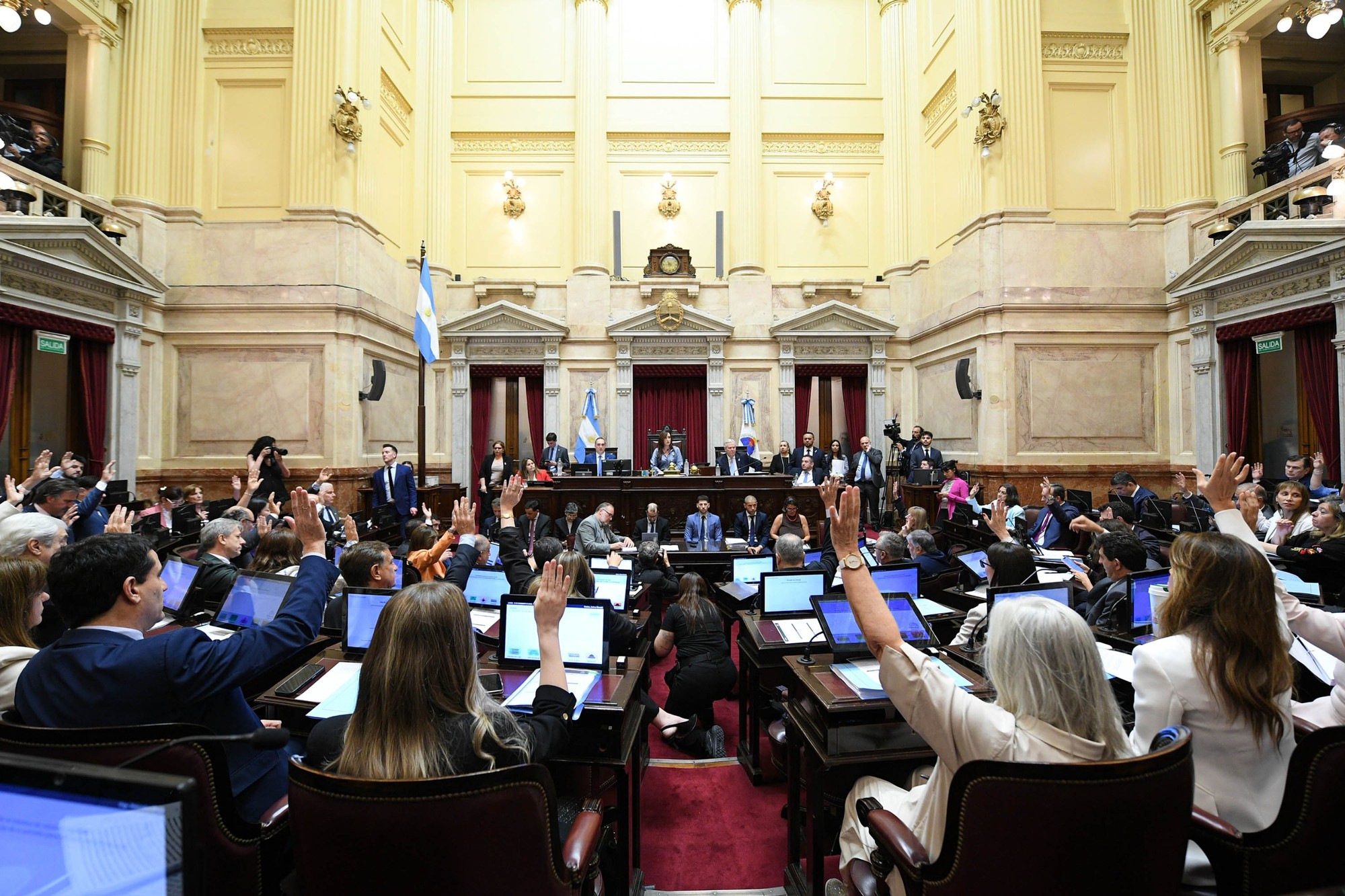
Argentina’s Senate gave final approval on Thursday to a permanent disability law, voting 71 to 0 to replace the emergency rules that expire on December 31. One senator was absent.
The law keeps disability pensions that do not depend on past work contributions at 70% of the minimum retirement benefit, for people with a disability certificate whose individual income is below two minimum salaries. Foreigners must have lived legally in Argentina for five continuous years to apply. Pensioners may take formal jobs or register under the monotributo, the simplified tax for the self-employed, without losing the pension, as long as their income stays under that line.
It also keeps a single fee schedule for the providers that care for people with disabilities, with fees updated automatically by the pension index. The government must set a schedule within 30 days for paying providers what it owes them and finish paying within 90 days, and the Treasury can add funds if the Health Ministry’s budget falls short. A new audit system lets the disability secretariat cross-check records held by the pension and tax agencies and suspend a pension after giving the holder a chance to respond.
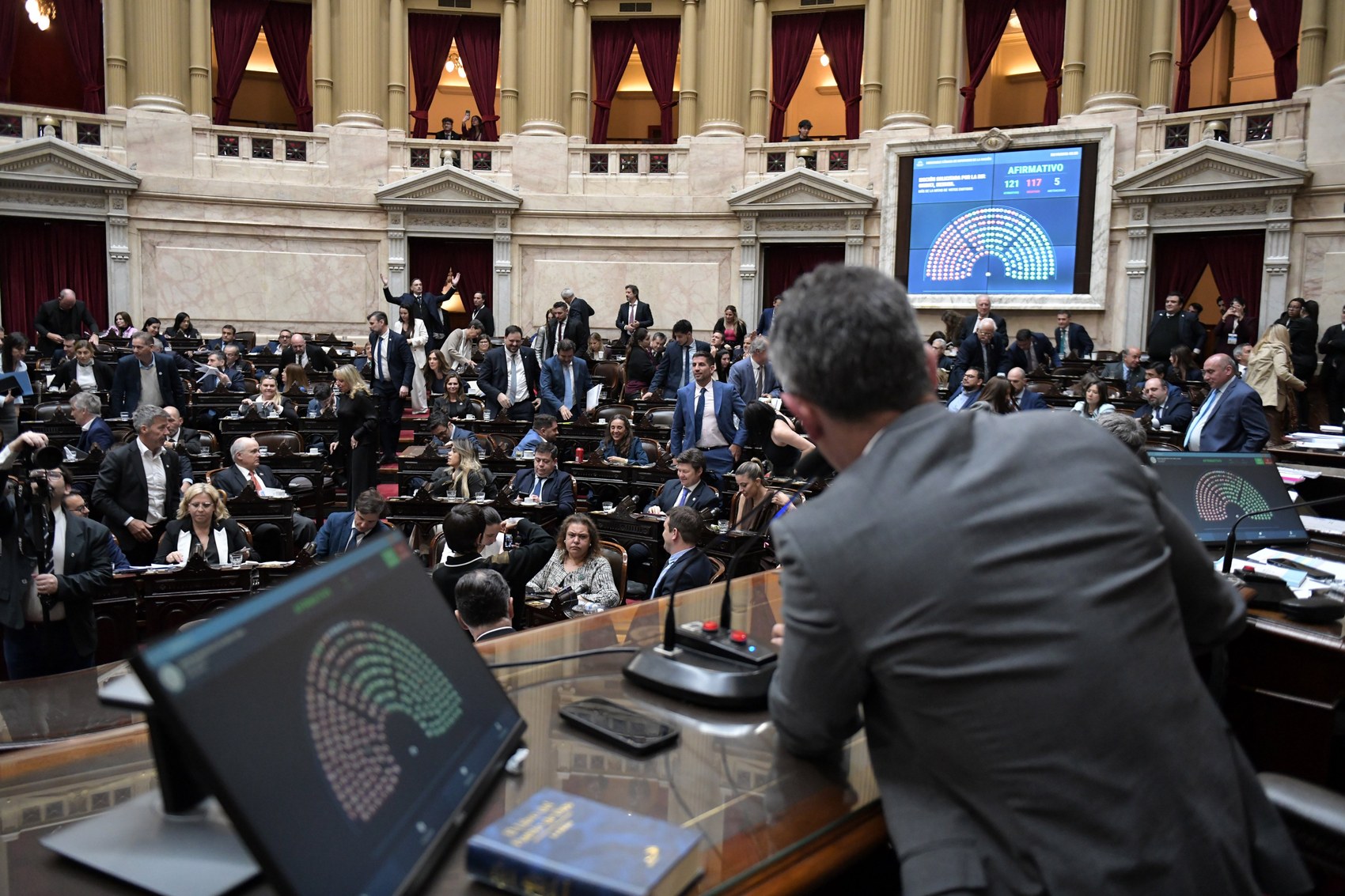
Congress passed the emergency law in 2025 over a veto by President Milei. This year his government’s 2027 budget bill proposed tighter access rules and limits on working while receiving a pension, and his party agreed in October to drop those provisions after pressure from disability groups and allied lawmakers. The lower house had already passed the permanent law 237 to 9.
Patricia Bullrich, who leads Milei’s party in the Senate, said the country was “coming out of an emergency, a few days from December, and creating certainty.” Opposition lawmakers said the government changed course because of polls and the pressure after Pope Leo XIV’s visit this month to a home for people with disabilities. They called the law a starting point and said the first step is to have the funding written into next year’s budget.
Under the Constitution, the president has 10 working days to veto the law, and if he does not, it takes effect automatically. A veto would face an override by two-thirds of the votes in each chamber, which Congress achieved against the emergency law’s veto in 2025.