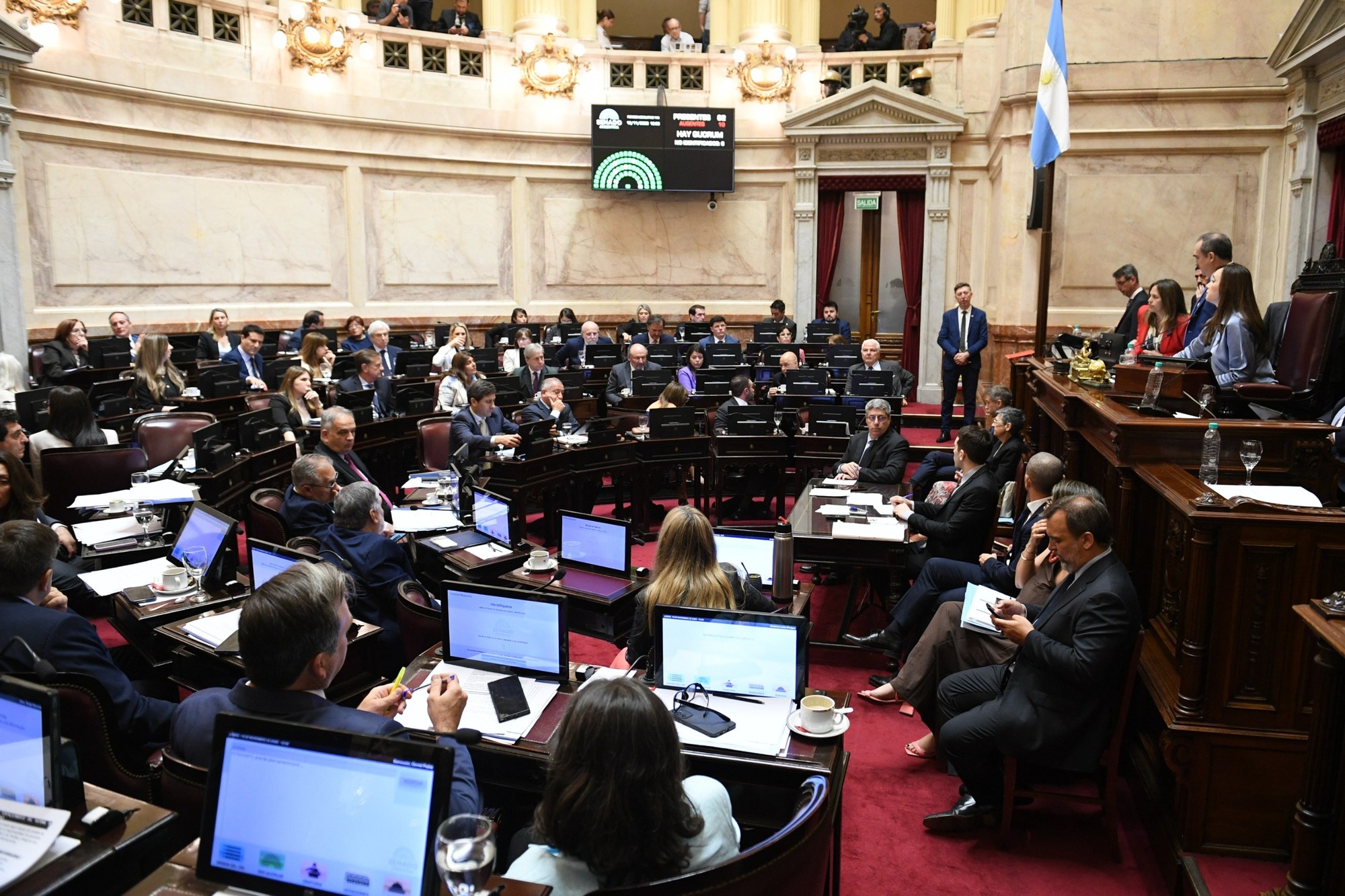
The Senate’s vote on Nov. 19 to restore Argentina’s 2011 Rural Land Law would put the limits on foreign ownership of farmland back into statute. The rules will look familiar to anyone who has bought rural property recently: federal courts kept them in force after a veterans’ group sued over the decree that repealed them, and they applied for most of President Milei’s term.
What changes is the footing. Until now the limits depended on court orders, the latest an interim one. They would now rest on a law of Congress that also repeals the article of Milei’s December 2023 deregulation decree that had scrapped them, once the president promulgates it.
What the law limits
Foreigners together may hold no more than 15% of rural land nationally and in each province and municipality or equivalent unit, and no single nationality more than 30% of that share, according to the text of the law. One foreign owner is limited to 1,000 hectares in the core farming zone of the pampas, with equivalent areas set elsewhere by an inter-ministerial council.
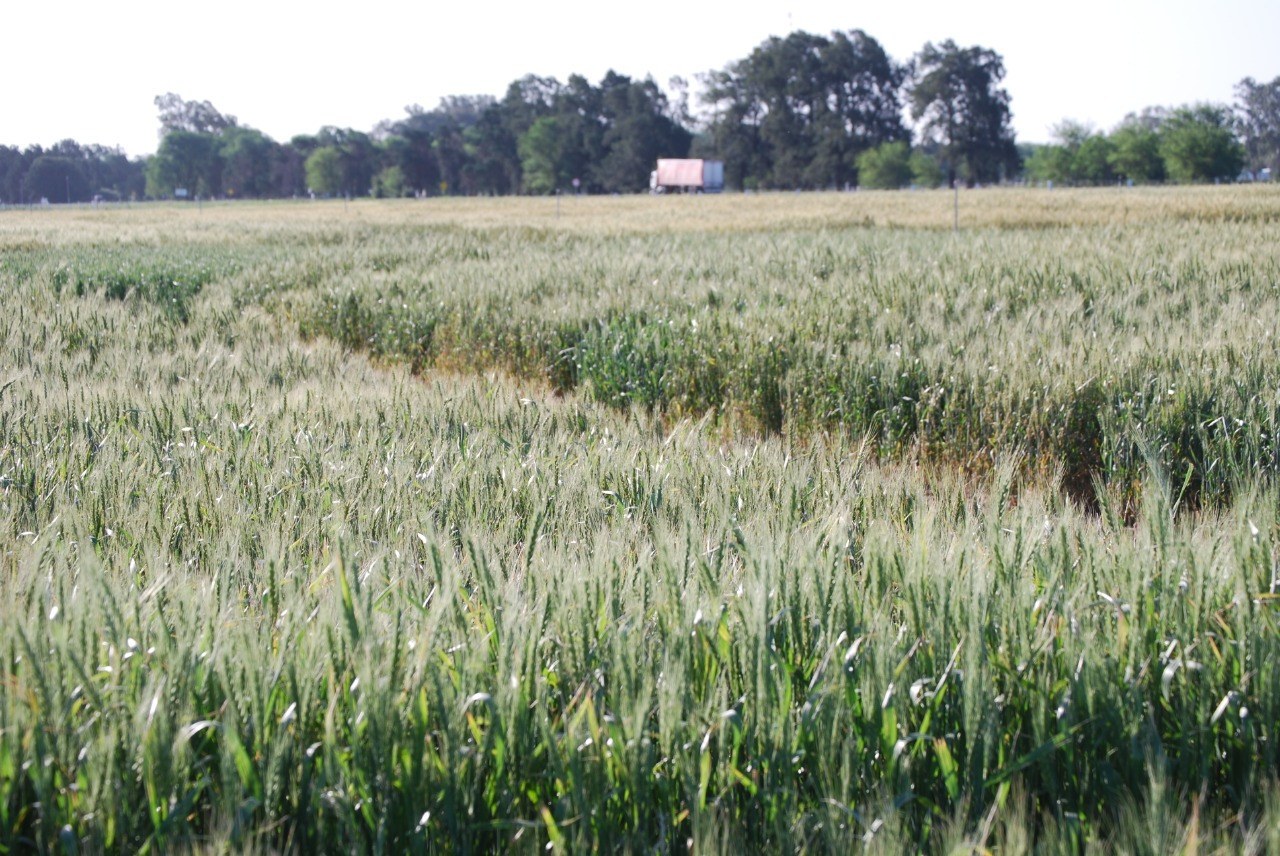
“Rural land” means any plot outside town limits, whatever its use, so farms, vineyards and tourism or forestry properties all count. A foreign owner is an individual wherever he or she lives, or a company in which foreigners hold a majority of the capital or enough votes to control it. Properties that contain or border large permanent bodies of water are closed to foreign owners, and purchases in border security zones need approval from the Interior Ministry.
The law exempts foreign individuals with 10 years of continuous residence in Argentina, and shortens that to five years of residence for those with Argentine children or who have been married to an Argentine for five years. Each transfer needs a certificate from the national rural land registry, which the notary or judge handling the sale requests. Acts that break the law are void, with no claim for compensation, and using Argentine nominees to hide foreign ownership is treated as fraud.
Where foreigners stand
Foreigners hold about 13.3 million hectares, almost 5% of the country’s area, up about 6% since 2018, according to the national rural land registry as reported by Chequeado.
The national average hides local concentration. Holders from the United States have the most land, followed by Italy and Spain, La Capital reported from registry data. Dozens of departments, the local units the registry counts, are already above the 15% mark, among them San Carlos in Salta province, where foreigners hold more than half of the rural land. The law is not retroactive: owners above the limit keep their rights, and the registry has said forcing them to sell would be unconstitutional.
Land bought since the decree
The decree’s repeal was in force for only 10 days, between the Supreme Court’s ruling on a procedural question and its interim suspension of the repeal. Before that a lower court had kept the law alive, and the registry kept authorizing purchases: the Justice Ministry told Chequeado it issued 111 certificates for foreign buyers under Milei, most of those in 2024 for land in Mendoza province.
What the president can do
The president has 10 working days from receiving the bill to return it with a veto, and a bill not returned in that time counts as approved. The governing party itself added the two land articles in the lower house, after its original proposal to drop the limits failed to win support in the Senate in August. That proposal, in the bill drafted by Deregulation Minister Federico Sturzenegger, would have removed most of the limits.
A veto, total or partial, would send the bill back to Congress, where an override takes two-thirds of each chamber. The bill passed the Senate 42 to 26 and the lower house by five votes, short of two-thirds in both, though Congress has reached that margin before, against Milei’s veto of the disability emergency law. A partial veto is allowed only if the rest of the bill can stand alone. If the limits were vetoed and the veto held, they would again depend on the Court’s interim suspension, as they have since it was issued.
The courts remain a second route. The Court’s suspension lasts until a federal judge in Bariloche decides a case brought by an environmental group, two Indigenous communities and a Río Negro legislator. The Court has said it has not ruled on the land regime itself and that anyone who considers it unconstitutional can ask a court for an injunction.
The clock starts when Congress sends the bill to the executive, and the law takes effect once it is promulgated and published in the Boletín Oficial, the government’s official gazette.