

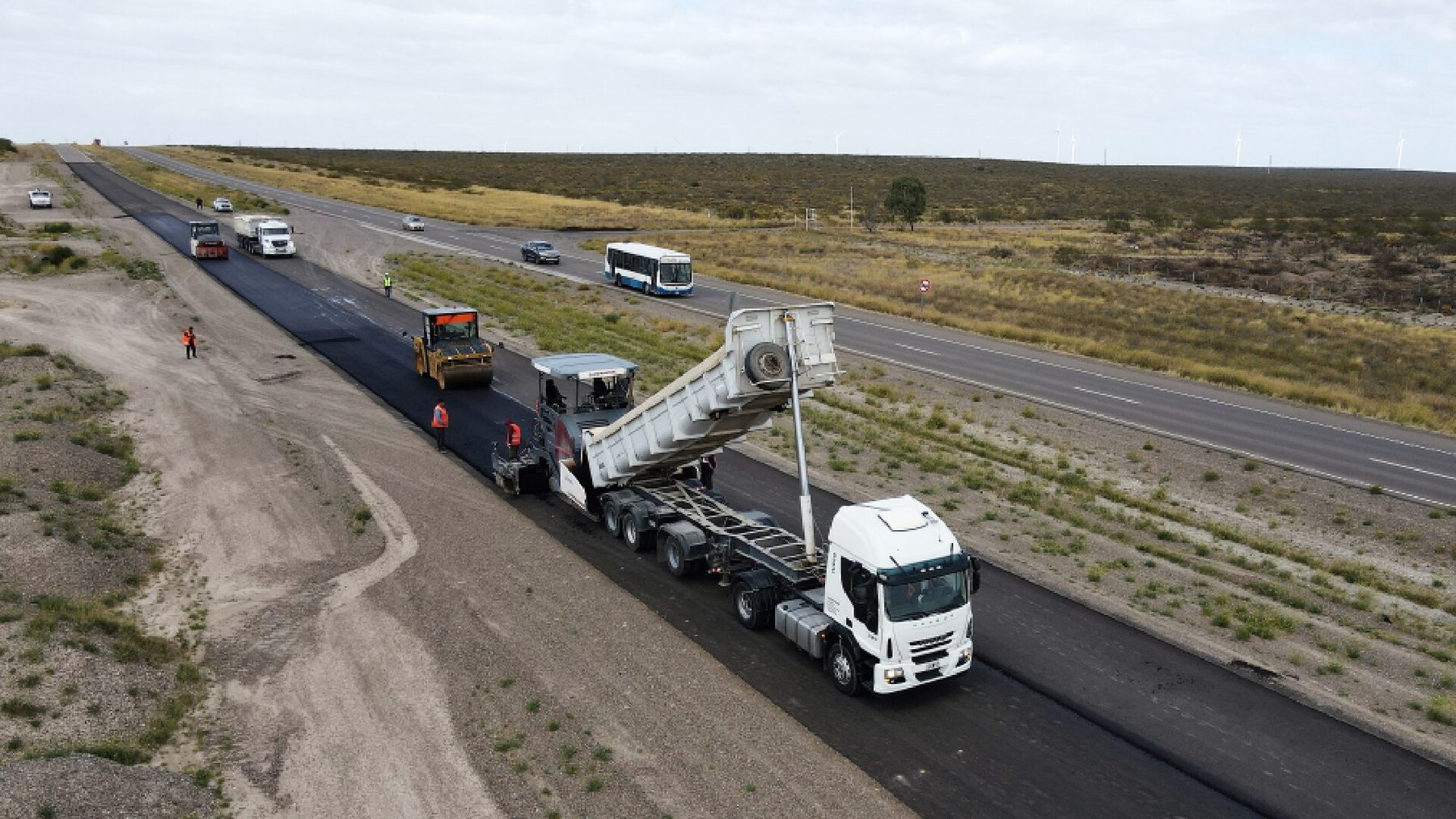
The government will settle overdue public-works debts with Treasury bonds and bills worth up to 221.1 billion pesos (about US$145 million), two-thirds of them maturing in 2027, under Joint Resolution 59/2026 published Tuesday in the Boletín Oficial, the official gazette. The finance and treasury secretaries signed it on October 2.
It covers contractors with recognized claims for certified work, stockpiled materials and price adjustments from January 2022 to December 2025, plus contracts terminated since 2024. The claims are for projects of the Public Works and Transport secretariats, including those funded by multilateral lenders. In August the scheme was widened to suppliers to the national roads agency, Vialidad. To join, a company must drop its administrative and court claims over the debt.
The bonds are capitalizable, meaning interest is added to the principal and paid at maturity. A third comes as a Treasury bill due October 30, 2026, a third as a bond due January 15, 2027, and 34% as a bond due April 30, 2027. Their face value totals 171 billion pesos, and the 221.1 billion pesos is the ceiling once accrued interest is counted at delivery value.
The Treasury pays no cash now. The operation is charged to the Economy Ministry’s “financial applications” budget lines, used for debt operations. Economist Nicolás Gadano of the consultancy Empiria wrote on X that because the bonds pay no coupons, their financing cost does not show up in the monthly fiscal result. The debt does not disappear: it becomes Treasury obligations in October 2026 and in 2027.
Gustavo Weiss, president of the Argentine Chamber of Construction (Camarco), called the scheme “very limiting” and said it recognizes only a small share of what contractors are owed, leaving out price readjustments awaiting certification, closing of works and extra time on site. He told La Nación that companies selling the bonds early may collect less than the debt they cancel, since they are delivered at technical value rather than market price. The alternative, he said, is a lawsuit that typically takes five to ten years.
Weiss expects the settlement agreements to be signed this month, since the first bill falls due on October 30.