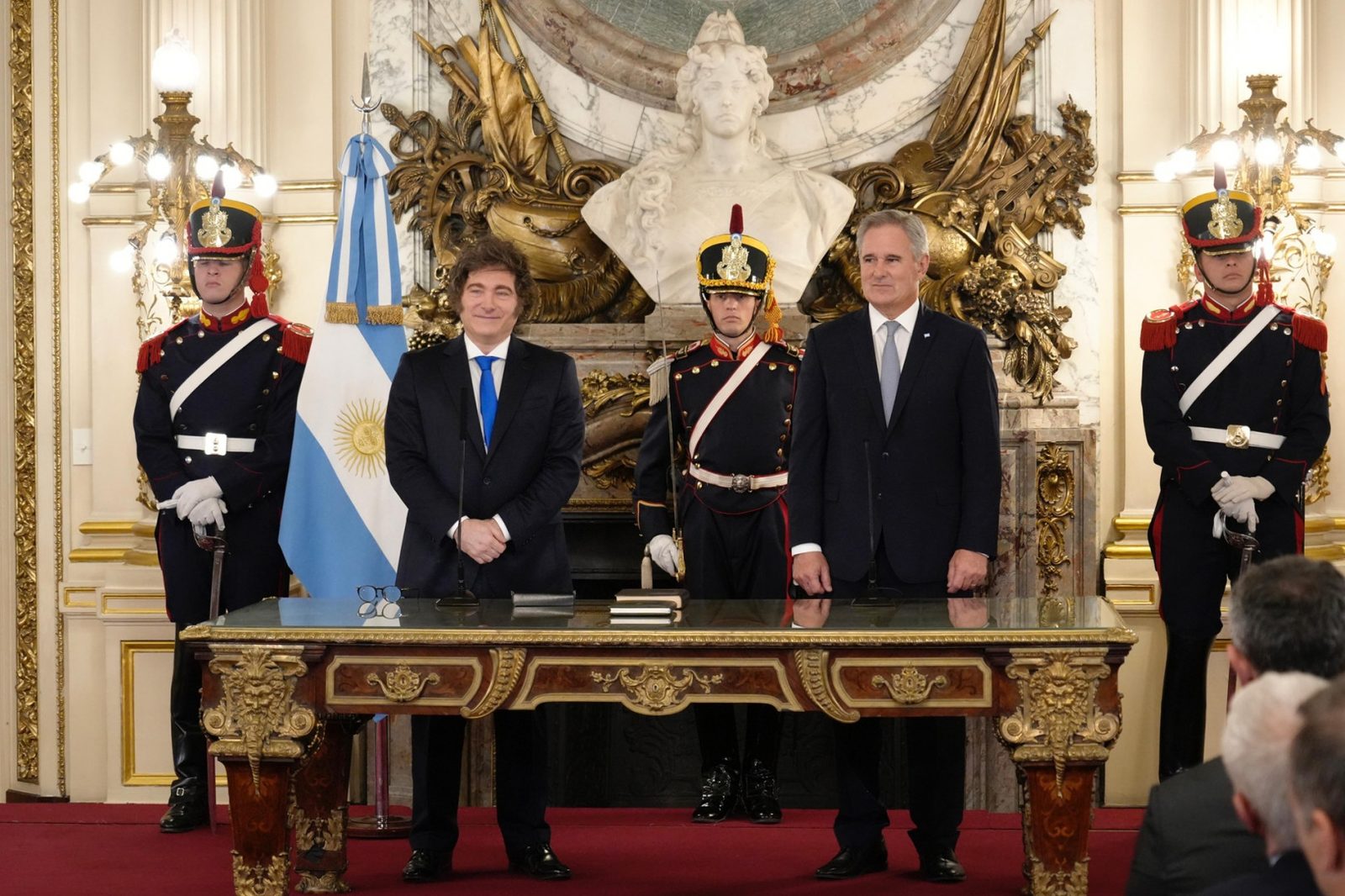
Milei is sending the Chamber of Deputies, the lower house of Congress, a National Sovereignty Defense Law this week, moving his campaign against foreign firms in Malvinas (Falkland Islands) waters from decrees and sanctions lists to legislation with criminal penalties.
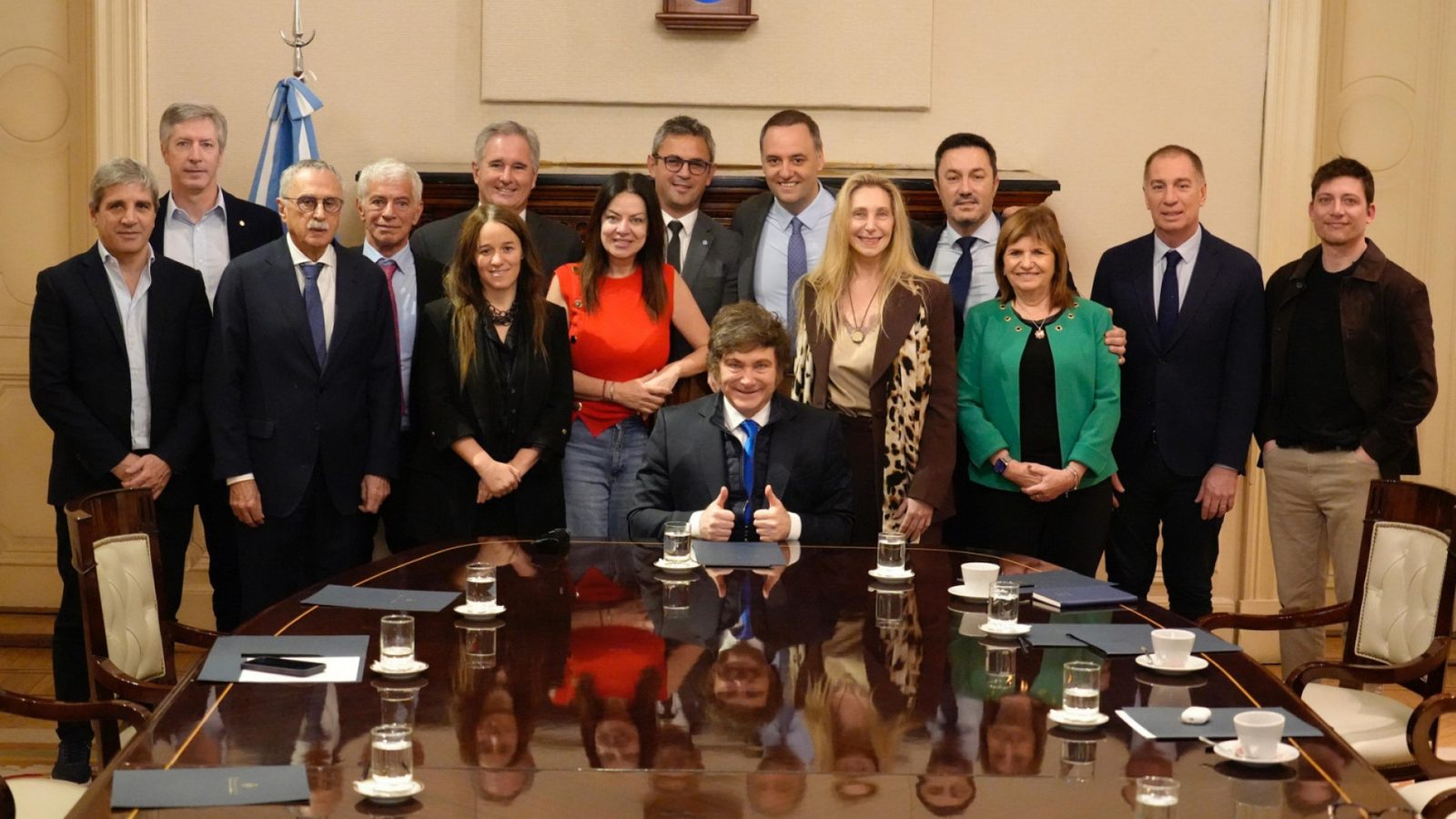
Milei convened his cabinet Monday morning to finalize the bill’s content, then met with ruling-party legislators in the afternoon to plan the strategy for moving it through Congress. Foreign Minister Pablo Quirno and presidential adviser Santiago Caputo led an intensive weekend of drafting sessions beforehand, according to Argentine reporting on the process.
The measure builds on the 2011 Ley Solanas, which first barred hydrocarbon activity tied to the islands without Argentine authorization, and extends similar restrictions to fishing operations on the country’s continental shelf. Companies found in violation would be disqualified from operating in Argentina, face seizure of their vessels or catches, and see criminal and financial liability extended beyond the operating company itself to its subsidiaries, shareholders and logistics providers. Firms that violate the law would also be barred from state contracts.
On enforcement, the bill introduces trials in absentia for executives who do not appear before Argentine courts, a mechanism previously reserved mainly for terrorism and crimes-against-humanity cases. It would also authorize Argentina to classify vessels that work with unauthorized operators as “hostile” when they cross into the country’s 200-nautical-mile maritime zone, a sharper legal posture than the sanctions-list approach the government has used until now.
Companies that voluntarily wind down unauthorized oil or fishing work near the islands would qualify for relief from sanctions, an incentive aimed at accelerating a retreat already underway among oilfield-services firms that have chosen to prioritize their work in Vaca Muerta.
A separate institutional piece of the package would create a National Security Council bringing together the Foreign, Defense and Economy ministries with Argentina’s intelligence agency, SIDE, to coordinate the government’s response to what it considers threats in the South Atlantic.
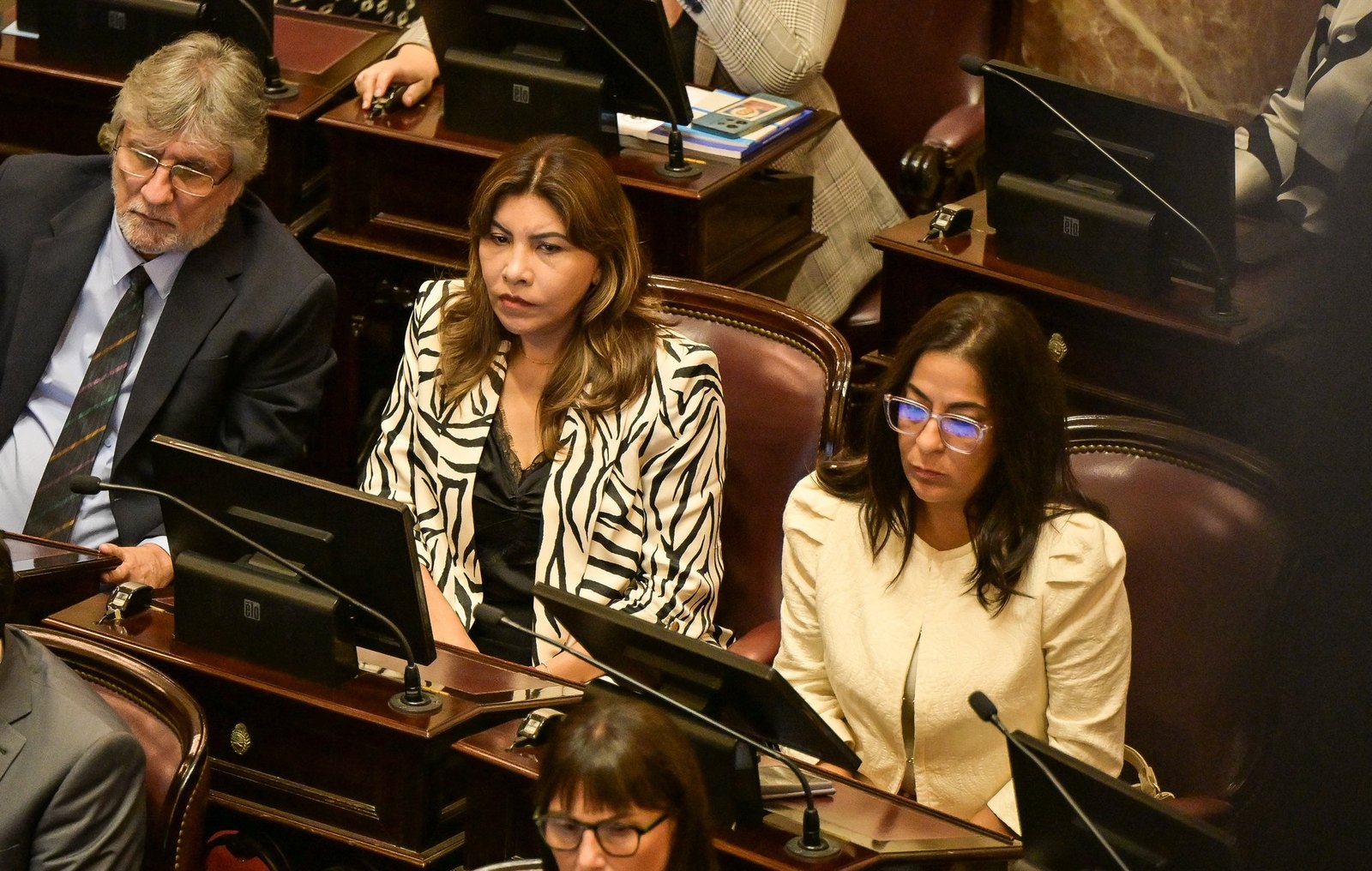
The proposal has not gone unchallenged. Opposition legislators argue the government should focus on enforcing the sanctions regime it already has rather than write new law, while Peronist lawmakers have raised concerns that the new security council could become a vehicle for expanding access to SIDE’s reserved intelligence funds. It also remains unsettled within the government whether the sovereignty provisions and the security council will move as one bill or two.
Argentina has already expanded its sanctions list from 45 to 60 companies and individuals, secured new funding to revive the stalled naval base project in Ushuaia, and watched Milei cancel a planned London trip as Britain’s government vowed to be “relentless” in defending the islands. Presidential adviser Santiago Caputo has cited polling showing 81.3% public approval for the government’s hardened stance, calling it, in his telling, the most important foreign-policy fight Argentina will have for decades.
Argentina’s ruling coalition does not control a majority in either chamber of Congress, so the bill will need opposition votes, in a legislature that will simultaneously be weighing the 2027 budget the economic team presents this week. Congressional debate is expected from late September into early October.